
Few things sting more than dropping your hard-earned cash on a vape cartridge only to realize later that it’s not what it claimed to be. If you’ve ever squinted at a box under your kitchen light trying to decide whether it’s legit, you’re definitely not alone. The conversation around Packman carts real vs fake has exploded across forums, social media, and dispensary counters alike — and for good reason. Counterfeiters have gotten disturbingly good at mimicking premium packaging, which means the old “just look at the box” trick doesn’t cut it anymore.
This guide walks through every angle: packaging tells, hardware differences, oil quality, flavor expectations, common technical hiccups, and real feedback from people who’ve actually used these carts. By the end, you’ll have a mental checklist you can run through in seconds, whether you’re shopping online or standing in a store deciding what to grab. 🛒
Why the Real vs Fake Conversation Even Matters
It’s tempting to think “a cart is a cart,” but that mindset can backfire fast. Counterfeit cartridges often use unregulated oil, sketchy hardware, and mystery additives that were never meant to be heated and inhaled. Beyond the obvious safety angle, there’s also the simple matter of value — nobody wants to pay premium prices for a product that delivers a watered-down experience. Learning to separate Packman carts real from imitation batches protects both your wallet and your lungs, and it only takes a few minutes to get comfortable spotting the difference. 💨
How to Tell Packman Carts Real vs Fake: The Core Checkpoints
1. Packaging and the Holographic Seal
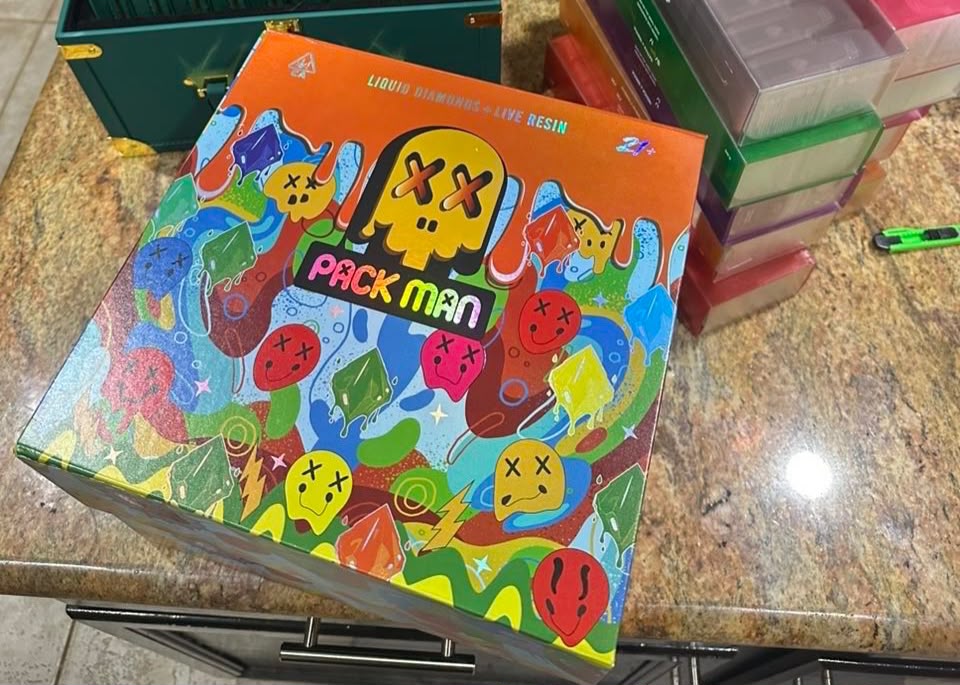
Authentic packaging tends to have crisp, evenly printed text with no blurry edges or color bleed. Counterfeiters can replicate a lot, but the holographic seal is usually the hardest element to fake convincingly. On genuine boxes, the hologram shifts color smoothly as you tilt it under light, showing clean logo detail. Fakes often look muddy, static, or slightly off-color when tilted. If the seal feels like a cheap sticker rather than an integrated security feature, that’s an early red flag.
2. QR Code and Batch Verification
Most legitimate cartridge brands, Packman included, print a QR code somewhere on the box that should link to lab results or a batch verification page. Scan it before you buy if the store allows it. If the code leads nowhere, redirects to an unrelated site, or the lab results don’t match the strain on the box, put it back on the shelf. This single step catches a huge percentage of counterfeit inventory circulating right now.
3. Cartridge Hardware and Build Quality
Pick up the actual cart and look closely. Genuine hardware usually has a consistent, matte or brushed metal finish with tight seams and no visible glue residue around the mouthpiece. Fake carts frequently have slightly loose-fitting mouthpieces, uneven threading where the cart screws into the battery, or a plasticky feel that doesn’t match the weight of an authentic unit. If the cart feels unusually light or the threading wobbles, that’s worth pausing on.
4. Oil Color, Clarity, and Consistency
Real oil should be clear to light amber, with a smooth, honey-like consistency and minimal visible bubbles once it settles. Cloudy, overly dark, or separated oil is a strong indicator something’s off — either poor extraction or diluted product. Watch for oil that looks unnaturally thick or artificially syrupy too; that can point to added cutting agents rather than pure concentrate.
5. Taste and Vapor Behavior
This is where fakes tend to fall apart fastest. Authentic carts deliver a smooth pull with flavor that matches the strain description, not a harsh chemical aftertaste. If your first hit tastes like burnt plastic or leaves your throat scratchy in a way that doesn’t feel like normal vapor irritation, stop using it immediately. Genuine oil produces steady, visible vapor with consistent density pull after pull — fakes often sputter, produce weak clouds, or taste different from one hit to the next.
Packman Carts Real: What the Authentic Checklist Looks Like ✅
Let’s condense everything above into a quick-reference list you can screenshot or save:
- Hologram shifts color cleanly when tilted, with sharp logo detail
- QR code scans and links to matching lab results
- Cartridge threading is tight, with no wobble screwing into a battery
- Oil is clear to light amber with smooth, even consistency
- Flavor matches the strain name with a smooth, consistent pull
- Packaging text is crisp with no smudged printing or spelling errors
- Batch number on the box matches the number on the cart itself
If a cartridge checks every box here, you’re almost certainly holding an authentic product. If two or more items feel off, treat that as a serious warning sign.
Packman Cart 2g Review: What the Real Deal Delivers 🌟
Since 2-gram cartridges have become a popular format, it’s worth breaking down what an authentic Packman cart 2g review should highlight versus what a counterfeit version typically falls short on.
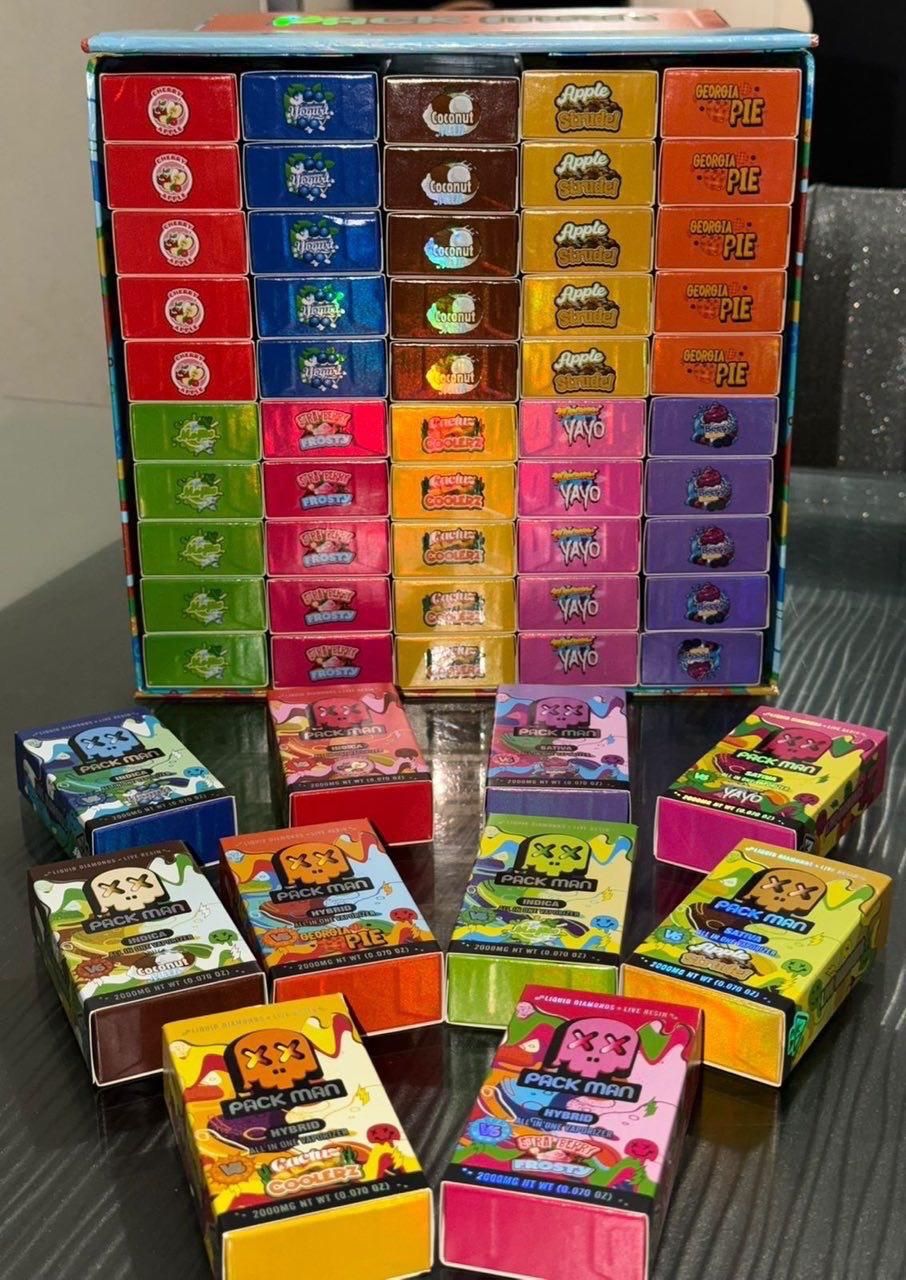
Battery life and draw consistency: A genuine 2g cart should maintain consistent vapor output from the first pull to the last. Users consistently note that flavor doesn’t fade dramatically until the very end of the cartridge, which is a hallmark of quality oil and proper cartridge engineering.
Value per gram: Larger format carts are appealing because they typically offer better value than smaller 0.5g or 1g options, assuming the oil inside is legitimate. A real 2g cart should feel substantial in hand and should not empty faster than expected relative to usage.
Leak resistance: One recurring theme in genuine reviews is that authentic 2g cartridges rarely leak when stored upright, thanks to tighter seals. Counterfeit versions are far more prone to leaking oil around the mouthpiece or base, wasting product and creating a mess in pockets or bags.
Flavor longevity: With larger oil capacity, flavor should stay vibrant well past the halfway mark. If a cart tastes strong for the first few pulls and then goes flat or chemical-tasting shortly after, that’s often a sign of inferior oil rather than a true 2g authentic build.
Flavor Profile Breakdown 🍓🍇🍋
One of the most requested topics from anyone comparing cartridges is what they should actually taste like. Flavor is one of the more reliable indicators of authenticity, since replicating a nuanced terpene profile is far harder than replicating a box.
Fruit-forward strains tend to deliver bright, upfront sweetness with a lingering citrus or berry note on the exhale. Genuine oil holds onto these nuances hit after hit, rather than tasting identical to every other flavor in the lineup — a common giveaway with counterfeit batches that use generic flavoring across multiple “strains.”
Gassy or diesel-leaning strains should carry a peppery, earthy sharpness up front that mellows into a smoother finish. If a cart marketed as gas-forward tastes suspiciously sweet or candy-like, the terpene profile likely doesn’t match the strain on the label.
Dessert or candy-inspired strains typically balance a creamy, sugary top note with a subtle herbal undertone beneath it. This layered complexity is difficult to fake convincingly; imitation oils often taste one-dimensional, delivering only the sweetness without the underlying depth.
Hybrid blends usually strike a balance between the categories above, offering a rounded flavor that shifts slightly from inhale to exhale. Authentic hybrid oil tends to feel dynamic on the palate, while fake versions frequently taste flat and static throughout the entire hit.
If you’re doing a side-by-side comparison, take note of how flavor evolves across a full session rather than judging based on the first pull alone — this single habit will make spotting inconsistencies much easier over time.
Packman Cart Not Charging? Here’s What to Check 🔋
A surprisingly common complaint has nothing to do with authenticity at all — it’s a battery or connection issue. If your device isn’t powering on or charging properly, work through these steps before assuming the cart itself is defective:
- Clean the contact points. Oil residue can build up on the battery’s charging pins or the cart’s connection point, blocking a proper circuit. Use a cotton swab with a small amount of isopropyl alcohol to gently clean both surfaces.
- Check the charging cable and port. A worn cable or a port full of lint can prevent a full charge even when everything else works fine. Swap cables if you have a spare to rule this out.
- Confirm the battery is compatible. Not every 510-thread battery plays perfectly with every cartridge. Mismatched voltage or thread tension can cause charging or firing issues that have nothing to do with the oil inside.
- Look for a blinking light pattern. Many battery brands use blink codes to indicate low charge, overheating, or a short circuit. Check the battery’s included instructions or manufacturer page to decode what your device is telling you.
- Try a full charge cycle uninterrupted. Removing and reattaching the cable repeatedly during charging can confuse some circuits. Let it sit fully connected for at least 45–60 minutes before testing again.
If none of these steps resolve the issue, the battery itself may simply be defective, which happens even with entirely genuine products. It’s worth reaching out to wherever you purchased it, since most reputable sellers will replace a faulty battery without much hassle.
Packman Cart Real or Fake: Quick Red Flag Recap 🚩
Before you make a purchase, run through this shortlist one more time:
- Hologram looks flat, static, or poorly printed
- QR code doesn’t scan or links to mismatched information
- Oil is cloudy, overly dark, or separated
- Flavor tastes chemical, harsh, or identical across different strain names
- Cartridge threading feels loose or misaligned
- Price is dramatically lower than typical market rate
Any single flag deserves a closer look, and two or more should be treated as a hard pass. Trusting your senses — sight, smell, and taste — goes a long way here.
Community Reviews & Ratings 💬
★★★★★ — Jasmine T. “Bought a 2g from a shop that scans QR codes at checkout, and it’s been smooth from day one. Flavor held up way longer than I expected.”
★★★★☆ — Marcus D. “Solid cart overall, just had one battery that wouldn’t charge right away. Cleaned the contacts and it fired right up after that.”
★★★★★ — Priya K. “Compared a legit one against a version a friend got somewhere sketchy, and the difference in taste was honestly night and day.”
★★★☆☆ — Devon R. “Good experience but I wish more shops actually let you scan the code before buying instead of after you already paid.”
★★★★★ — Alyssa M. “Once I learned what to check for, I stopped worrying every time I buy. The hologram and oil clarity tips especially helped.”
Frequently Asked Questions ❓
1. How can I quickly tell if my cart is authentic without scanning anything? Check the hologram under light, inspect oil clarity, and pay attention to how smooth the first few pulls feel. These three checks alone catch most obvious fakes.
2. Does a working QR code guarantee authenticity? It’s a strong indicator, but pair it with a physical inspection too, since some counterfeiters have started printing working-looking codes that lead to unrelated or outdated pages.
3. Why does my cart taste harsh even though the packaging looks fine? Harsh flavor usually points to oil quality issues rather than packaging problems, since packaging and oil can come from entirely different sources in counterfeit operations.
4. Is a slightly lower price always a red flag? Not always, but a price that’s dramatically below typical market rate for that size and strain deserves extra scrutiny before buying.
5. What should I do if I already bought a cart that seems fake? Stop using it, document the packaging and batch number with photos, and reach out to the retailer or brand directly for guidance.
6. Can leaking automatically mean a cart is fake? Not necessarily — leaking can happen with genuine carts too if stored on their side or exposed to heat, but it’s more common among counterfeit hardware.
7. Why does my cartridge produce weak vapor clouds? This can stem from low battery voltage, a clogged airflow path, or lower-quality oil that doesn’t vaporize as efficiently.
8. How long should a 2g cartridge realistically last? This depends heavily on usage frequency, but consistent flavor and vapor output through most of the cartridge is a good sign of authentic oil.
9. Should I trust in-store staff recommendations completely? Staff can be helpful, but it’s still smart to verify packaging details yourself, since not every retailer double-checks their supply chain thoroughly.
10. What’s the safest way to shop online for these products? Stick to retailers with verifiable licensing, clear return policies, and batch-level lab documentation available before purchase.
11. Can old cartridges start tasting different even if they were originally real? Yes — oil can degrade over time, especially with heat or light exposure, which can change flavor even in a completely genuine cartridge.
Where You Buy Matters as Much as What You Buy 🏪
A huge chunk of counterfeit product doesn’t come from shady back-alley deals — it slips through legitimate-looking online storefronts and even some brick-and-mortar shops that aren’t careful about their supply chain. Before you commit to a purchase, take thirty seconds to look into where the product is actually coming from.
Licensed dispensaries are generally your safest bet, since regulated retailers are required to source from verified supply chains and often face real consequences for stocking counterfeit inventory. If a dispensary has been open for a while and has consistent reviews, that track record means something.
Online marketplaces are trickier territory. Third-party sellers on general marketplaces sometimes list products that were never sourced through official channels, and by the time a fake cartridge shows up at your door, getting a refund can be an uphill battle. Stick to a brand’s official site or retailers explicitly listed as authorized distributors whenever you’re buying online.
Social media shops deserve the most scrutiny of all. It’s incredibly easy to set up a slick-looking storefront with stolen product photos and zero accountability. If a seller can’t answer basic questions about batch verification or lab testing, that’s a signal to walk away, no matter how good the deal looks.
Storage Habits That Protect Authentic Oil 🌡️
Even a completely genuine cartridge can start behaving strangely if it’s stored the wrong way, which sometimes gets mistakenly blamed on counterfeit product. A few habits go a long way toward preserving flavor and consistency:
- Keep cartridges upright when not in use to reduce the chance of oil pooling near the mouthpiece or seeping past the seal.
- Avoid direct sunlight and heat, since UV exposure and high temperatures can degrade terpenes surprisingly fast, dulling flavor within just a few days.
- Store at room temperature rather than in a hot car or a cold garage — both extremes can affect viscosity and airflow.
- Keep the cart capped or covered when it’s not attached to a battery, especially if you’re tossing it into a bag or pocket where debris can gather around the mouthpiece.
Following these simple habits means that if something does taste off down the line, you can rule out storage as the culprit and focus your attention on verifying authenticity instead.
A Closer Look at Terpene Integrity 🔬
Terpenes are the aromatic compounds responsible for the distinct scent and flavor differences between strains, and they’re notoriously fragile. Heat, light, and time all work against them, which is part of why flavor is such a reliable authenticity signal — counterfeiters using synthetic flavoring additives simply can’t replicate the way real terpenes shift and evolve across a session.
When you take a pull from an authentic cartridge, you’ll often notice the flavor isn’t static. The first hit might lead with a bright top note, while a few pulls later a deeper, earthier undertone becomes more noticeable. This layered complexity comes from a full terpene profile working together, rather than a single dominant flavoring agent doing all the work. Counterfeit oil, by contrast, tends to taste the same from the first pull to the last, because there’s no natural complexity to shift as you go.
Paying attention to this kind of nuance takes a little practice, but it quickly becomes second nature. Within a few sessions of comparing known-authentic product against something questionable, most people find they can tell the difference almost immediately.
Additional Questions Worth Asking 🧐
12. Do batch numbers actually matter if the QR code already works? Yes — cross-checking the batch number on the box against the number on the cartridge itself catches situations where a legitimate box has been repackaged around illegitimate hardware.
13. Is it normal for flavor to fade slightly toward the very end of a cartridge? Some fade is expected as oil levels drop, but a dramatic flavor collapse well before the cart is empty is more often a sign of lower-quality oil than normal wear.
14. Can two cartridges from the same batch taste different from each other? Minor variation can happen, but significant differences in flavor or vapor quality between units claiming to be the same batch is worth flagging to the retailer.
Final Thoughts
Getting comfortable with the difference in Packman carts real vs fake doesn’t require any special tools — just a bit of attention to detail and a willingness to slow down before buying. Between checking the hologram, scanning verification codes, inspecting oil clarity, and paying attention to flavor consistency, you’ll build the kind of instinct that makes spotting counterfeit products almost automatic over time. And if a battery ever gives you trouble, a quick contact cleaning is usually all it takes to get things running smoothly again. 🔥
Shop smart, trust your senses, and enjoy the experience the way it’s meant to be. 🌿